Category Archives: Style

How to Wear a Hawaiian Shirt as an Adult Man

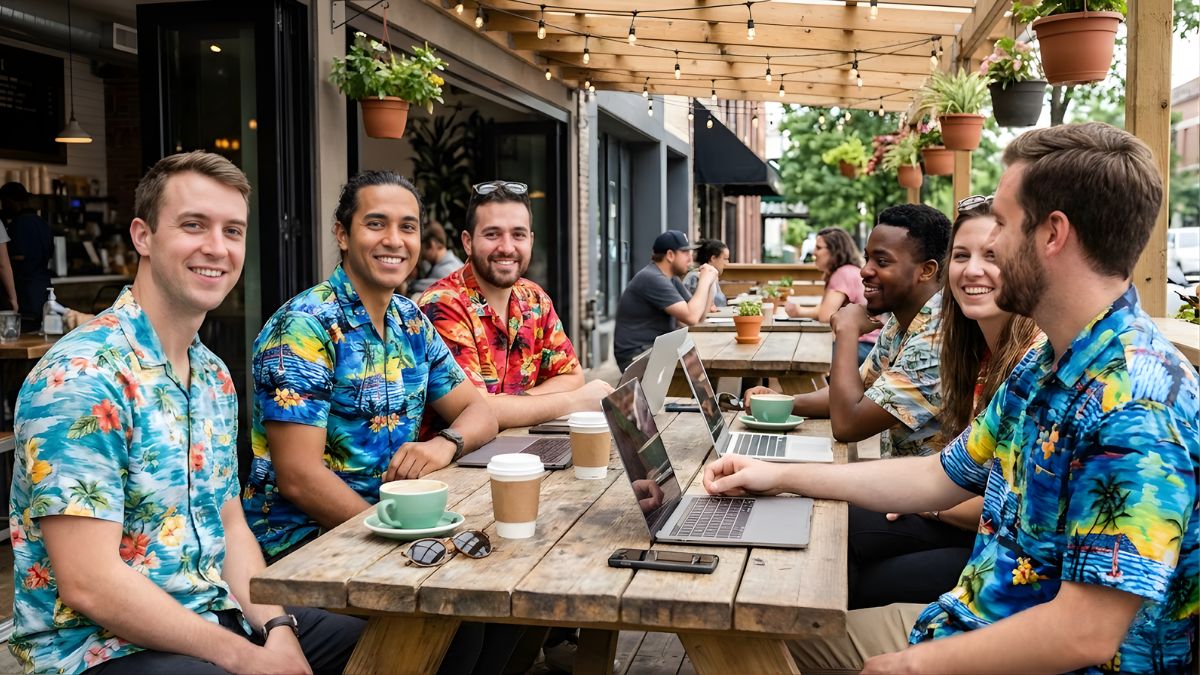
The Hawaiian shirt—also known as the Aloha shirt—often gets unfairly labeled as a “tourist shirt.” But when worn correctly, it can be a stylish, confident, and masculine piece that works well beyond vacation clichés. This video provides a complete guide on how adult men can wear Hawaiian shirts with intention, quality, and confidence.

Below is a breakdown of the key lessons.


The Origin and Rise of the Hawaiian (Aloha) Shirt

The Hawaiian shirt has mixed cultural roots, emerging in the 1920s from a blend of Filipino tailoring, Japanese textiles, and American fashion sensibilities. In 1936, Chinese-Hawaiian businessman Ellery Chen officially trademarked the term “Aloha shirt,” helping define it as a distinct garment.

After World War II, returning American soldiers helped popularize the shirt on the mainland. Its reputation was cemented through Hollywood and pop culture, worn by iconic figures such as:

  • Frank Sinatra
  • Elvis Presley (Blue Hawaii)
  • Montgomery Clift (From Here to Eternity)
  • Tom Selleck (Magnum P.I.)
  • Al Pacino (Scarface)
  • Leonardo DiCaprio (Romeo + Juliet)
  • Johnny Depp (Fear and Loathing in Las Vegas)
  • George Clooney (The Descendants)
  • Brad Pitt (Once Upon a Time in Hollywood)

This history shows the Hawaiian shirt has long been associated with charisma, rebellion, and relaxed confidence, not just tourism.


How to Choose a Quality Hawaiian Shirt

Not all Hawaiian shirts are created equal. Quality is what separates a stylish adult look from a novelty costume.

Key Signs of a Well-Made Hawaiian Shirt

  • Pattern matching, especially on chest pockets and seams
  • Sturdy, well-sewn buttons, ideally made from coconut shell
  • Straight stitching with a high stitch-per-inch count

Best Fabrics for Hawaiian Shirts

  • Rayon – Highly recommended for its silky appearance, breathability, and durability without the maintenance issues of silk
  • Cotton – Durable, easy to clean, and ideal for everyday casual wear

Fabrics to Avoid

  • Silk – High maintenance and impractical for casual use
  • Polyester blends – Often signal lower quality and poor drape

Investing in quality ensures your shirt looks intentional—not cheap.


7 Common Hawaiian Shirt Styling Mistakes (and How to Avoid Them)

Mistake #1: Buying an Oversized Shirt

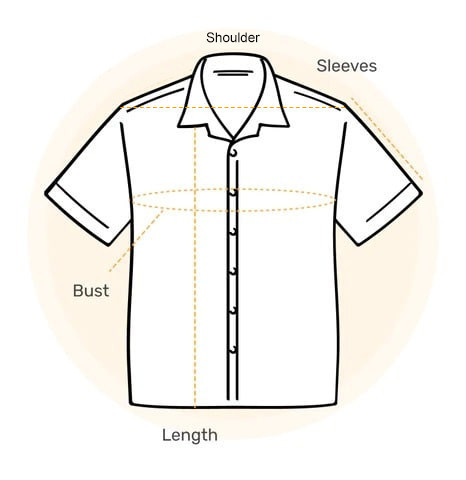
A Hawaiian shirt should be relaxed, not oversized. It must fit properly at the shoulders and should not hang excessively long.

Mistake #2: Pairing It With Formal Clothing

Hawaiian shirts are inherently casual. Avoid pairing them with suits, dress pants, or formal shoes. Stick to:

  • Shorts
  • Swim trunks
  • Chinos

Mistake #3: Over-Accessorizing

The shirt is already bold. Keep accessories minimal:

  • A simple hat
  • Aviator sunglasses
  • A dive watch

Mistake #4: Ignoring the Context

While Hawaiian shirts can work in very casual offices (tucked into chinos), they are never truly formal. Know the setting before wearing one.

Mistake #5: Wearing Dark, Slim Jeans

Dark, tight jeans clash with the relaxed nature of an Aloha shirt. Instead, choose:

  • Light-wash denim
  • Slightly distressed jeans

Mistake #6: Tucking It In All the Time

Most Hawaiian shirts are meant to be worn untucked, especially with shorts or swimwear. Tucking works only in limited, smart-casual situations.

Mistake #7: Layering Incorrectly

Avoid wearing an undershirt underneath or leaving the shirt completely unbuttoned unless:

  • You’re at the beach, or
  • You’re intentionally layering over a graphic tee

Otherwise, it can look sloppy rather than stylish.


The Most Important Rule: Wear It With Confidence

Keywords: men’s style confidence, bold menswear

The Hawaiian shirt is designed to attract attention—and that’s the point. The final and most important advice from the video is simple:

Wear it with confidence.
If you embrace the boldness instead of apologizing for it, the shirt works. Style is less about blending in and more about owning your look.


Final Thoughts

When chosen carefully and styled correctly, a Hawaiian shirt can be a powerful casual staple for adult men. Focus on quality, fit, context, and confidence, and you’ll move far beyond the tourist stereotype into effortless, masculine style.
Four Ways to Style an Aloha Shirt: From Surfer Cool to Rich Grandma Chic

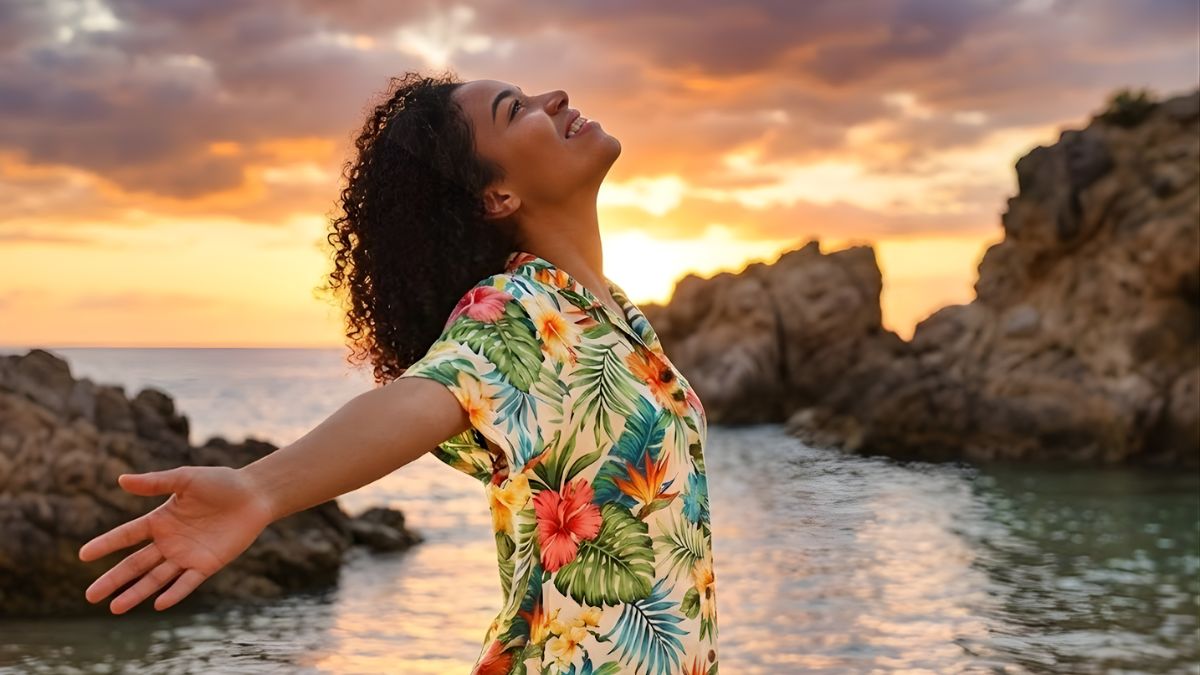
The Aloha shirt—also known as the Hawaiian shirt—is no longer just a vacation staple. With the right styling, it can become a bold, modern, and versatile fashion piece. In this video, four women showcase four unique ways to style an Aloha shirt, proving it works for edgy, casual, chic, and elegant looks alike.

Below, we break down each outfit clearly, with inspiration you can easily recreate.


1. DIY Hawaiian Muscle Shirt Look

Style Keywords: Aloha shirt outfit, DIY fashion, edgy summer style

The first woman transformed her Aloha shirt by cutting it into a Hawaiian muscle shirt, instantly giving it a bold and edgy silhouette. This DIY approach modernized the classic shirt and made it feel fresh and intentional.

She completed the outfit with:

  • bolo tie–inspired necklace for a Western-meets-beach vibe
  • hat to add personality and structure

This look is perfect for those who love custom fashion, statement accessories, and confident summer outfits.


2. California Surfer Bro Aloha Shirt Outfit

Style Keywords: casual Hawaiian shirt outfit, surfer style, color coordination

The second woman experimented with mom jeans at first but felt overwhelmed by the fit, describing herself as “lost” in her clothes. Instead of forcing the look, she refined it by introducing a green top that complemented the Aloha shirt’s colors.

The result:

  • A relaxed California surfer bro aesthetic
  • Better balance through color harmony
  • An effortlessly casual and wearable outfit

This styling shows how small changes—especially color coordination—can dramatically improve an outfit.


3. Faux Jacket Aloha Shirt Styling

Style Keywords: layered Hawaiian shirt, summer layering, sporty chic outfit

The third woman styled her Aloha shirt as a faux jacket, wearing it open over a strappy black sports bra and a tight black skirt. This layered approach allowed the shirt to enhance the outfit rather than dominate it.

Why it works:

  • The black base adds intensity and structure
  • The floral shirt softens the look with a summery feel
  • The open fit creates movement and contrast

This is an ideal option for anyone looking to mix casual pieces with bold, modern silhouettes.


4. Elegant “Rich Grandma” Hawaiian Shirt Look

Style Keywords: chic Hawaiian shirt outfit, elegant beach style, minimalist fashion

The fourth woman styled her black-based Aloha shirt with a black, flowy jumpsuit, creating a look she described as both “rich, cool grandma” and beachy. This outfit leaned into elegance rather than casual wear.

Key styling elements included:

  • Layered necklaces for depth and sophistication
  • Rolled-up sleeves to keep the look relaxed and fashion-forward

This outfit proves that Hawaiian shirts can be refined, timeless, and age-inclusive, not just playful or youthful.


Final Thoughts: Aloha Shirts Are More Versatile Than You Think

These four Aloha shirt outfit ideas highlight just how adaptable this classic piece can be. Whether you prefer DIY fashion, casual surfer vibes, bold layering, or elegant minimalism, there’s a way to make a Hawaiian shirt work for your personal style.

The key takeaway?
Style is about experimentation, balance, and confidence—especially with statement pieces like the Aloha shirt.

A Brief History of the Hawaiian Islands: From Volcanoes to Statehood

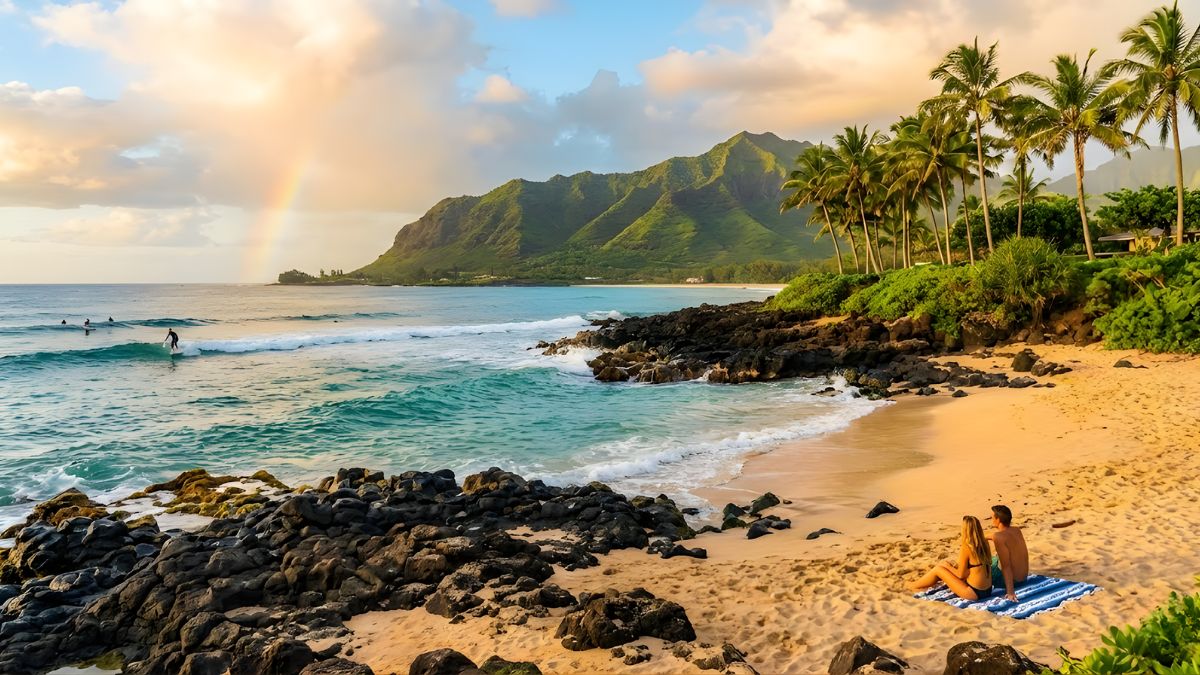
The Hawaiian Islands have a rich and fascinating history shaped by volcanic forces, Polynesian exploration, powerful chiefs, and global influence. This video offers a comprehensive overview of Hawaii’s journey—from its geological birth in the Pacific Ocean to its modern identity as the 50th state of the United States.

Below is a clear breakdown of the key historical stages in Hawaii’s development.


Geological Formation of the Hawaiian Islands

Hawaii’s story begins over 40 million years ago, deep beneath the Pacific Ocean. The islands were formed by a geological hot spot, where molten lava continuously rose through the Earth’s crust. As tectonic plates slowly moved, repeated volcanic eruptions built up massive underwater mountains that eventually emerged above sea level.

This process created the Hawaiian island chain we know today. Even now, Hawaii continues to grow—three volcanoes remain active, slowly expanding the land. This ongoing volcanic activity makes Hawaii one of the most geologically dynamic places on Earth.


Early Polynesian Settlers and Hawaiian Culture

For thousands of years, the islands remained uninhabited by humans. Around 300 AD, Polynesian voyagers arrived by canoe after navigating thousands of miles across the Pacific Ocean using stars, currents, and wind patterns.

These early settlers brought:

  • Crops and animals
  • Advanced navigation knowledge
  • A social system based on chiefdoms

Hawaiian society developed around the belief in mana, a sacred spiritual power granted by the gods. Chiefs competed for land and resources, shaping the political and cultural landscape of ancient Hawaii.


King Kamehameha I and the Unification of Hawaii

In the late 18th century, Chief Kamehameha I rose to prominence. According to prophecy, he was destined to unite the islands under one ruler. Through strategic leadership, military skill, and alliances with European traders, Kamehameha acquired modern weapons and ships.

By 1795, he successfully conquered the major islands, becoming the first king of a unified Hawaii. His reign brought relative stability and marked the beginning of the Hawaiian Kingdom as a recognized political power.


European Influence and the Overthrow of the Hawaiian Kingdom

Keywords: Hawaiian annexation, Queen Liliʻuokalani, Hawaii and the US

After Kamehameha’s death, Christian missionaries arrived, and many Hawaiians converted to Christianity. Over time, European and American settlers gained increasing influence, particularly through sugarcane plantations, which became economically dominant.

This shift in power eventually led to political conflict. In 1891Queen Liliʻuokalani, Hawaii’s last reigning monarch, was overthrown by powerful business interests with the support of the American military. Hawaii was later annexed by the United States, becoming a U.S. territory and officially achieving statehood in 1959.


Modern Hawaii: Culture, Tourism, and the Aloha Spirit

Despite historical efforts to suppress Hawaiian language and traditions, native culture has experienced a strong revival in recent decades. Today, Hawaiian language, hula, and traditional practices are once again celebrated.

Modern Hawaii is known for:

  • World-class tourism
  • Natural beauty and outdoor activities
  • Cultural diversity

At the heart of it all is the aloha spirit—a philosophy rooted in kindness, unity, respect, and perseverance. It reflects Hawaii’s resilience and enduring cultural identity.


Conclusion

Hawaii’s history is a powerful blend of nature, exploration, conflict, and cultural survival. From volcanic origins to Polynesian navigation, from royal unification to modern statehood, the Hawaiian Islands tell a story unlike any other—one that continues to shape life in the Pacific today.